Reliable electricity matters when a refrigerator, medical device, router, or work computer cannot tolerate sudden outages. A power inverter helps convert battery power into usable alternating current for everyday equipment. What is the function of an inverter in power supply? In simple terms, it changes direct current into stable AC electricity. Some models also regulate voltage, reduce electrical noise, and protect connected devices from overloads.
This guide examines five of the best inverters for power supply applications. The comparison considers output waveform, continuous and peak wattage, efficiency, battery compatibility, safety features, and installation practicality. A pure sine wave inverter usually offers the cleanest output. It is especially suitable for sensitive electronics, refrigerators, pumps, and modern chargers. Modified sine wave models can cost less, but they may produce buzzing sounds or inefficient performance with certain equipment.
Real-world use often reveals details that product labels overlook. A unit may claim high peak power, yet struggle with a motor’s starting surge. A cooling fan may also become distracting in a quiet room. During testing or daily use, check cable thickness, ventilation space, thermal shutdown behavior, and the clarity of the user manual. No inverter is perfect. The best choice depends on load size, battery capacity, installation conditions, and expected backup time. This overview aims to provide practical, evidence-based guidance rather than relying on impressive specifications alone. Before purchase, verify the manufacturer’s ratings and consult a qualified electrician when permanent wiring is involved.
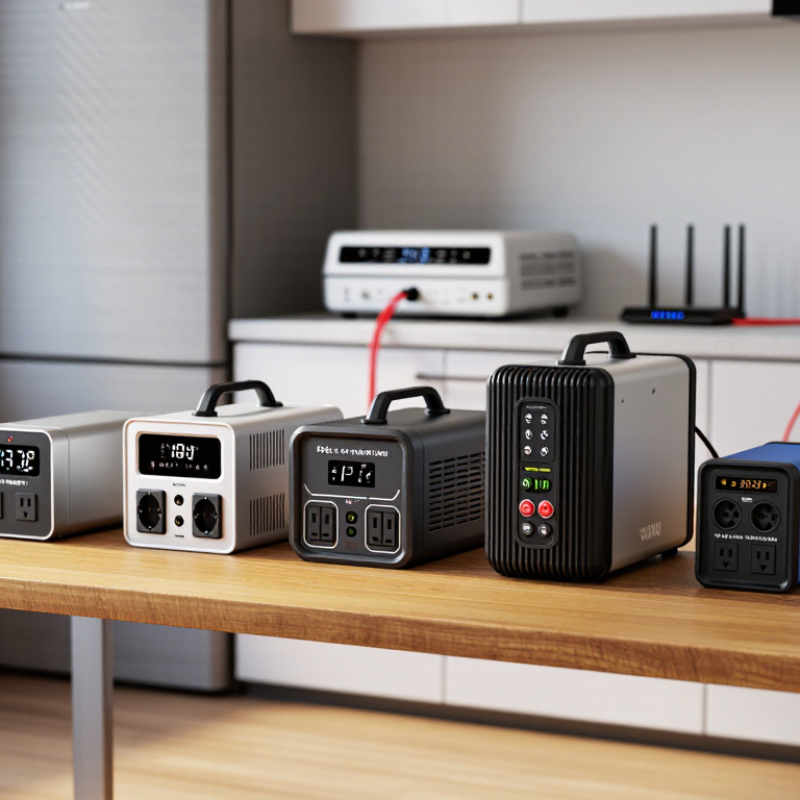
What Is an Inverter and How Does It Supply Power?
An inverter is an electronic device that converts direct current into alternating current. Batteries store electricity as direct current, while most household appliances use alternating current. The inverter changes the battery’s voltage and creates a usable electrical waveform. It also adjusts frequency and voltage within a controlled range. That matters. Every conversion loses some energy as heat, so an inverter cannot deliver more power than its battery receives. In practical use, a cooling fan may start when the load increases. I have seen small units shut down because their batteries were full but their airflow was poor.
Selecting an inverter requires more than checking its advertised wattage. Add the running power of your appliances, then consider their starting surge. A refrigerator, pump, or power tool may briefly need two or three times its normal demand. A clean sine-wave output usually supports sensitive electronics more reliably. Built-in overload, short-circuit, temperature, and low-voltage protection also improve safety. Still, specifications can be misunderstood. A larger inverter is not automatically better. It may consume more standby energy and drain a battery faster.
Installation deserves careful attention. Use properly sized cables, secure terminals, and adequate ventilation around the inverter. Keep the unit dry and away from flammable materials. Never ignore polarity. A reversed connection can damage equipment within seconds. I once underestimated cable length and noticed unnecessary voltage loss under load. The correction was simple, but the oversight was avoidable. I now measure distance, current, and expected runtime before choosing a system. That habit is not perfect, yet it prevents many expensive mistakes.
How Inverters Convert DC Electricity into Usable AC Power
An inverter changes stored DC electricity into usable AC power for household and electronic equipment. Batteries provide steady direct current, but most wall-powered devices need alternating current. The inverter solves this mismatch inside a compact electrical system.
Its switching circuit turns the battery’s constant voltage on and off thousands of times each second. This creates a rapid electrical pattern that can be shaped into alternating current. A transformer may raise the voltage, while filters smooth sharp changes and reduce electrical noise. Better inverters produce a clean sine-wave output, similar to utility power. That matters for motors, medical equipment, audio systems, and sensitive chargers.
Waveform quality matters.
During practical setup, I check the inverter’s continuous wattage, starting surge, ventilation, and cable thickness. A refrigerator may use modest power while running, yet demand several times more when its compressor starts. Choosing only by the printed running wattage can cause shutdowns. Heat is another overlooked issue. Conversion is never completely efficient; some battery energy becomes warmth. Dust, poor airflow, and undersized cables increase that loss.
The process sounds simple, but real loads are less predictable. I may be simplifying the electronics, because modern designs use layered control circuits, feedback sensors, and protective switches. These features respond to low voltage, overloads, short circuits, and excessive temperature. A reliable installation still needs careful grounding and clear operating limits, not just a high power rating.
5 Best Inverters for Power Supply: What Is Their Function? - How Inverters Convert DC Electricity into Usable AC Power
| Inverter Type |
Typical DC Input |
Typical Continuous Output |
AC Waveform |
Typical Efficiency |
Primary Function |
Best Use |
| Portable Modified-Sine-Wave Inverter |
12 V battery systems |
150–1,000 W |
Stepped or modified sine wave |
Approximately 80–90% |
Changes low-voltage battery DC into basic household-level AC power. |
Simple loads such as lamps, chargers, fans, and small electronic devices. |
| Portable Pure-Sine-Wave Inverter |
12 V or 24 V battery systems |
300–2,000 W |
Clean pure sine wave |
Approximately 85–93% |
Produces AC electricity with a waveform similar to utility-grid power. |
Sensitive electronics, medical equipment, audio systems, refrigerators, and computers. |
| Vehicle or RV Pure-Sine Inverter |
12 V or 24 V vehicle battery banks |
1,000–3,000 W |
Clean pure sine wave |
Approximately 88–94% |
Supplies standard AC power from a vehicle battery while traveling or camping. |
RVs, service vehicles, mobile workstations, camping equipment, and emergency power. |
| Off-Grid Residential Inverter |
24 V or 48 V battery banks |
3–8 kW |
Pure sine wave |
Approximately 90–95% |
Converts stored battery energy into household AC power for an independent electrical system. |
Cabins, remote homes, backup systems, and locations without a reliable utility connection. |
| Hybrid Solar and Battery Inverter |
48 V battery banks or high-voltage battery systems |
3–10 kW |
Pure sine wave |
Approximately 92–98% |
Manages solar input, battery charging, stored-energy conversion, and grid or backup-power operation. |
Home energy storage, solar self-consumption, peak-load reduction, and backup power. |
Note: Output ratings and efficiency values are typical ranges for each inverter category. Actual performance depends on battery voltage, load size, temperature, wiring, operating mode, and installation quality.
Key Features for Comparing the Five Best Power Inverters
Choosing the five best power inverters requires more than reading wattage labels. Their main function is simple: they convert battery or solar DC electricity into usable AC power. The IEA PVPS Trends 2024 report recorded more than 400 GW of new solar capacity worldwide in 2023. That expansion makes inverter quality increasingly important. In practical use, poor matching can cause overheating, voltage drops, or unexpected shutdowns.
Compare each shortlisted inverter by continuous output, surge capacity, waveform, efficiency, and battery compatibility. Pure sine matters. It protects sensitive equipment, including refrigerators, pumps, and medical electronics. A 1,000-watt inverter may handle lights easily but struggle with a motor’s starting surge. CEC equipment data also shows why weighted efficiency matters more than peak efficiency. A model displaying 98% efficiency may perform lower during light loads. Numbers need context. Check idle consumption, cooling noise, low-voltage protection, and thermal derating.
Safety and reliability deserve equal attention. Look for testing aligned with recognized standards, such as UL 1741 for inverter safety and IEEE 1547 for grid-interactive performance. The U.S. Department of Energy repeatedly emphasizes correct system sizing and ventilation in its energy-storage guidance. Field experience suggests that cable length is often underestimated. Thin cables can waste power before it reaches the inverter. I would also question unusually high surge claims, especially when manufacturers omit surge duration. A clear warranty, service process, and published test conditions can separate the strongest five from attractive but incomplete specifications.
5 Best Inverters for Power Supply: What Is Their Function?
Power inverters convert direct current (DC) from a battery or solar system into alternating current (AC) for household and electronic loads. The comparison below uses representative, brand-neutral specifications commonly found in consumer and backup-power inverters.
How to compare them: Higher continuous output supports more equipment, higher efficiency wastes less battery energy as heat, and a greater surge ratio helps start motors, pumps, refrigerators, and other devices with high startup demand.
Five Leading Inverter Types and Their Best Applications
An inverter converts direct current from batteries or solar panels into usable alternating current. Five leading types serve different electrical needs. Pure sine wave inverters produce clean power for medical equipment, refrigerators, computers, and sensitive chargers. Modified sine wave inverters cost less and suit simple loads, such as lamps, fans, and basic tools. However, motors may run hotter or noisier with this waveform.
Grid-tie inverters fit homes and businesses connected to public electricity networks. They synchronize solar production with the grid and can reduce daytime electricity purchases. They usually shut down during outages, protecting repair crews from unexpected backfeed.
Off-grid inverters support cabins, remote workshops, and emergency circuits with batteries and generators. They need careful load planning. A kettle can drain a small battery surprisingly fast.
Hybrid inverters combine grid connection, solar input, and battery storage. They work well where users want backup power, peak-demand control, and future expansion.
IRENA’s Renewable Capacity Statistics 2024 recorded 346 gigawatts of solar capacity added globally in 2023. The IEA’s Renewables 2024 report expects renewable capacity to expand by about 5,500 gigawatts by 2030. Those figures increase demand for reliable conversion equipment, not merely larger systems.
In practice, installers should check surge capacity, efficiency, waveform quality, and local electrical rules. No type is perfect. Oversizing can waste money, while undersizing can create nuisance shutdowns.
Conclusion
An inverter is an essential power-conversion device that changes direct current (DC) from sources such as batteries or solar systems into alternating current (AC) for household appliances, tools, and electronic equipment. What is the function of an inverter in power supply? Its main function is to provide usable, stable electricity when the available source produces DC power or when backup energy is needed. By using electronic switching and control circuits, an inverter creates an AC output with a suitable voltage and frequency.
This guide explains how inverters convert DC electricity into practical AC power and highlights the key features used to compare the five best power inverters, including output waveform, capacity, efficiency, safety protection, and portability. It also introduces five leading inverter types and their most suitable applications, from small personal devices to larger home or outdoor power systems. Finally, it offers guidance on selecting the right inverter by considering power requirements, starting loads, runtime, input source, and installation needs.

 Sriram Electricals