The advancement of inverter technology is poised to shape various industries. As energy efficiency and renewable sources become crucial, understanding "What is the future development of inverter technology" is vital. Dr. Jane Thompson, a leading expert in renewable energy solutions, emphasizes, “Innovations in inverter technology will drive the green revolution.” Her insights reflect the pressing need for further exploration.
Inverters convert direct current (DC) to alternating current (AC), enabling the use of solar power in homes and industries. The evolution of these devices includes features like smart grid integration and improved efficiency. However, challenges remain. Current technologies may face limitations in scalability and cost-effectiveness. The discourse around the next generation of inverters highlights both excitement and a need for caution.
Key industries like automotive and telecommunications rely heavily on these technologies. As innovations emerge, regulatory frameworks must adapt. The future may hold incredible potential, yet uncertainties linger about the pace of change. These factors underscore the importance of ongoing research and development. The direction of inverter technology weaves into broader conversations about sustainability and energy access for all.
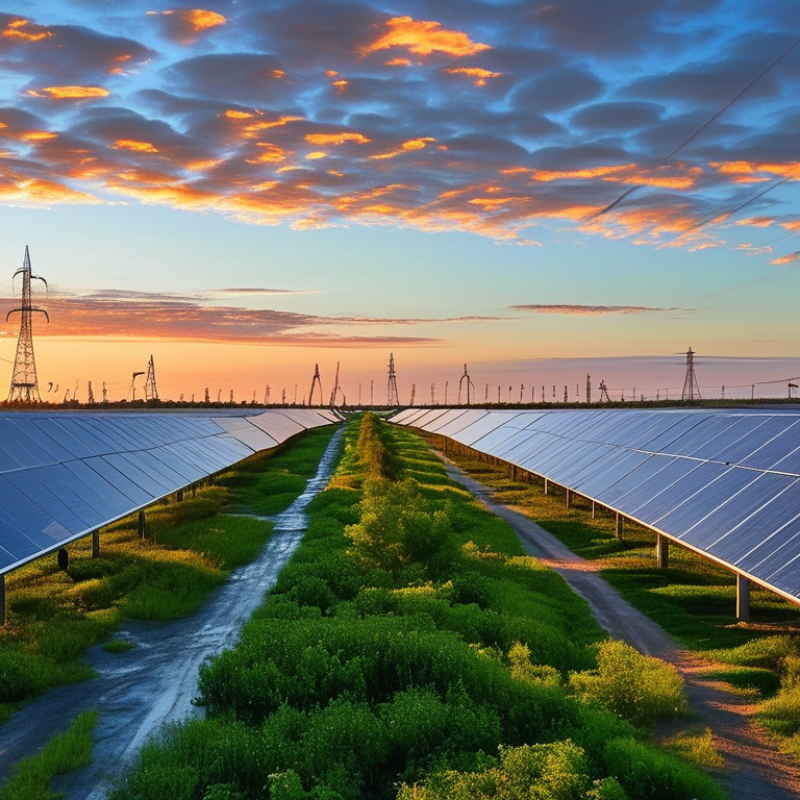
Current State of Inverter Technology and Its Applications
Inverter technology plays a pivotal role in various industries, especially in
renewable energy and electric vehicles. The
global inverter market is projected to reach $32.7 billion by 2027, growing at a compound
annual growth rate (CAGR) of 10.3% from 2020 to 2027. This growth signals an increasing
reliance on inverters to convert and manage electrical energy efficiently.
Currently, the primary applications of inverter technology include
solar energy systems, energy storage systems, and
various industrial applications. For example, solar inverters convert direct current (DC) from solar panels into
alternating current (AC) for home use. The International Energy Agency reported that in 2021,
global solar capacity reached 940 GW, indicating a significant demand for high-performance inverters.
However, challenges remain. Many inverters face issues like
overheating and reduced efficiency in extreme temperatures, which
can hinder overall system performance.
Furthermore, as the industry evolves, the need for innovative solutions intensifies. Emerging trends,
such as the integration of smart technologies and energy management systems, are gaining
traction. However, there are gaps in standardization and
interoperability, which can complicate implementation. Stakeholders should focus on
collaboration and refining technology to address these shortcomings. As the future unfolds, inverter technology
will be at the forefront of the energy transition, but it must tackle existing limitations to fully realize its potential.
Key Innovations in Inverter Technology Development
The inverter technology landscape is rapidly evolving, marked by significant innovations. According to a report by the International Energy Agency, the global market for inverters is expected to reach $20 billion by 2027, driven by the increasing demand for renewable energy systems. This growth highlights the urgent need for more efficient and reliable solutions. Recent advancements focus on improving energy conversion efficiency, with modern inverters achieving rates as high as 98%.
Several promising innovations are emerging. For instance, multi-level inverter designs enhance performance and reduce harmonics. These designs allow for smoother power output and better stability in grid-tied applications. Another notable trend is the integration of artificial intelligence into inverter management systems. AI can optimize power usage and enhance system reliability. However, challenges remain. Complexity in integration may lead to potential reliability issues.
Furthermore, the shift towards modular inverter designs is gaining traction. Modular systems offer scalability and ease of maintenance, but they can complicate system configuration. This presents opportunities for further development. Engineers must address these concerns to enhance inverter technology. Ultimately, the future of inverter development hinges on balancing innovation with reliability and performance.
Challenges Facing Future Inverter Technology Advancements
The future of inverter technology holds great promise, yet faces significant challenges. As renewable energy sources like solar and wind continue to expand, inverters must adapt to fluctuating power demands. One challenge is increasing efficiency. Current inverter designs often struggle to maintain performance under varying loads. Enhancing energy conversion while minimizing losses remains a priority.
Another obstacle is the integration of smart technologies. Inverters must evolve to support grid stability and energy storage. The demand for synchronized communication with the grid complicates designs. Safety and reliability are also paramount. A failure in an inverter can lead to system-wide issues, highlighting the need for rigorous testing and certification processes.
Developing cost-effective solutions is crucial. High-quality materials and advanced features often drive up prices, limiting accessibility. Finding a balance between performance and affordability is complex. This ongoing evolution in inverter technology requires collaboration among engineers, research institutions, and policymakers. Achieving innovation while addressing these challenges will be key to overcoming hurdles in the development of future inverter technologies.
Potential Impact of Inverter Technology on Renewable Energy Systems
Inverter technology plays a crucial role in optimizing renewable energy systems. Advanced inverters enhance the efficiency of solar and wind energy installations. According to a report by the International Energy Agency (IEA), the global solar inverter market is expected to reach $12 billion by 2025. This growth illustrates the rising importance of inverters in the energy landscape.
The integration of smart inverters can greatly impact grid stability. These devices can manage variable energy inputs effectively. A study by Navigant Research indicates that smart inverters could reduce operational costs for energy providers by up to 16%. However, challenges remain in standardizing these technologies across different regions. Interoperability issues could delay their full potential.
Also, as renewable energy adoption increases, so does the need for better inverter solutions. Current technologies often face hurdles like efficiency losses and maintenance costs. Addressing these concerns requires continuous innovation. The future of inverter technology development must focus on minimizing these drawbacks to fully support the transition to sustainable energy systems.
What is the Future of Inverter Technology Development? - Potential Impact of Inverter Technology on Renewable Energy Systems
| Dimension |
Current Status |
Future Prospects |
Impact on Renewable Energy |
| Efficiency |
90-95% |
Up to 99% |
Higher energy yield and reduced losses |
| Cost |
Moderate |
Decreasing |
More accessible to consumers |
| Smart Technology Integration |
Limited |
Widespread |
Improved grid stability and performance |
| Lifespan |
5-10 years |
10-20 years |
Lower replacement costs |
| Grid Compatibility |
Basic |
Advanced |
Enhanced integration with renewable sources |
Emerging Trends in Smart Inverter Systems and Grid Integration
The future of inverter technology is poised for significant transformation. Smart inverter systems are becoming essential as renewable energy sources proliferate. These systems offer advanced functionalities, like voltage regulation and grid support. Their ability to adapt to dynamic grid conditions enhances reliability. This adaptability is crucial for integrating solar and wind energy effectively.
Emerging trends indicate a shift towards decentralized energy management. More devices are connected to the grid, demanding smarter solutions. Smart inverters can communicate with energy storage systems, optimizing performance. However, challenges remain. Standardization across regions is inconsistent, creating hurdles in deployment. Policymakers and industry experts must address these issues to foster widespread adoption.
There is also growing interest in AI and machine learning to enhance inverter capabilities. These technologies promise improved efficiency and predictive maintenance. Yet, the path forward is not without obstacles. Ensuring cybersecurity for smart inverters is critical, as increased connectivity introduces new vulnerabilities. Balancing innovation with risk management will shape the future of inverter technology.
FAQS
: The growing demand for renewable energy systems drives the inverter market growth significantly.
The global market for inverters is projected to reach around $20 billion by 2027.
Some modern inverters achieve energy conversion efficiencies as high as 98%.
Multi-level inverters enhance performance, providing smoother power output and better stability.
AI optimizes power usage and can improve system reliability for inverters.
Modular designs offer scalability and easier maintenance, though they complicate system configuration.
Interoperability issues may delay the full potential of smart inverters across different regions.
Smart inverters could reduce operational costs for energy providers by up to 16%.
Current technologies often struggle with efficiency losses and high maintenance costs.
Continuous innovation is essential to minimize drawbacks and support renewable energy transitions.
Conclusion
The future development of inverter technology is poised to significantly influence various sectors, particularly in the realm of renewable energy. Currently, inverters serve as critical components in converting direct current to alternating current, facilitating energy applications across diverse platforms. As we explore key innovations in this field, advancements such as enhanced efficiency, integration with smart grid technologies, and improved energy management solutions are at the forefront.
However, challenges remain, including the need for robust cybersecurity, technological compatibility, and the environmental impact of manufacturing processes. Addressing these hurdles is essential for unlocking the full potential of inverter technologies. Emerging trends indicate a shift toward smart inverters that not only improve grid integration but also boost the resilience of energy systems. Ultimately, understanding "what is the future development of inverter technology" will be essential to harness its capabilities for a sustainable energy landscape.

 Sriram Electricals