The global energy landscape is undergoing a structural paradigm shift toward decentralized, high-efficiency solar generation. While traditional rigid silicon photovoltaics (PV) have dominated utility-scale solar farms for decades, their inherent physical limitations—heavy static load requirements, rigid glass geometry, high wind resistance, and mounting complexity—severely restrict their deployment on low-load commercial roofs, curved architectural structures, marine vessels, and mobile infrastructure. As a premier Flexible Solar Panels Manufacturer & Exporter, our engineering matrix solves these systemic constraints through advanced polymer encapsulation, ultra-thin silicon cell architectures, and integrated power conversion technologies.
By substituting traditional 3.2mm tempered glass with high-transmittance ETFE (Ethylene Tetrafluoroethylene) or composite polymer front sheets, flexible solar modules achieve a bending radius of up to 30 degrees. This enables seamless bonding onto curved surfaces such as arched warehouse roofs, futuristic building facades, and transportation vehicles without risking micro-cracks in the underlying semiconductor matrix.
Conventional glass solar panels impose an average static load of 15 to 22 kg per square meter including mounting hardware. Flexible PV modules reduce structural load to under 2.5 kg/m². This ultra-light footprint allows old industrial facilities, TPO single-ply membrane roofs, and low-bearing structures to harvest solar energy without expensive structural reinforcement engineering.
Utilizing high-grade polymer polymers and multi-layer ETFE films, modern flexible modules offer superior heat dissipation, dynamic stress endurance, and salt-mist corrosion resistance. Engineered to operate flawlessly across temperature ranges from -40°C to +85°C, they provide robust performance in marine environments, desert micro-grids, and tropical zones.
Industrial Excellence, Global Exporter, and Engineering Leader Since 2013
Guangzhou HanFong New Energy Technology Co., Ltd. is an audited manufacturer of all kinds of inverter and solar charge controller products. Our factory has been an electrical leader in products since 2013. Specialized in DC to AC power inverters, located in Guangzhou City of China, it is convenient to transport by air or by sea. With good research and development, strictly quality control, the product in the market has been widely recognized and praised.
With our inverters, it is used together in off-grid solar systems. We always focus on efficiency and quality of our products. With 5,000 square meters of factory space and 150 proficient employees, we are able to undertake many requiring OEM and ODM projects. We strictly comply with European standards; so far, our products have earned CE and RoHS certifications. Our market and customers are all over the world. We strive to carry the most complete line of DC inverters. There is a strong marketing and R&D team working hard to make inverters meet our customer needs.
We mainly manufacture those items to the global market: North America, Europe, Africa, South America, Middle East, and Asia, and have full experience in OEM service. We have full confidence in achieving your quality level.

The solar industry is transitioning rapidly from P-type PERC to N-type TOPCon (Tunnel Oxide Passivated Contact) and Heterojunction (HJT) technologies. When integrated into flexible, substrate-backed laminates, N-type cells yield higher bifaciality, lower temperature coefficients (-0.30%/°C), and negligible Light-Induced Degradation (LID), driving operational efficiency above 24%.
Traditional EVA encapsulation is susceptible to moisture ingress and Potential Induced Degradation (PID) under high-humidity conditions. Our technical roadmap incorporates Polyolefin Elastomer (POE) combined with textured ETFE surface sheets. This structure increases light trapping via hydrophobic microscopic dimpling while ensuring zero water vapor permeability over a 25-year service life.
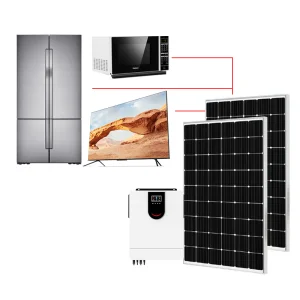
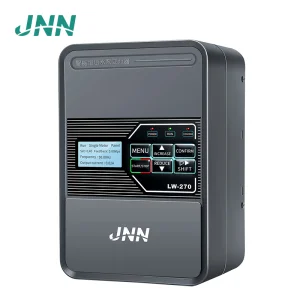
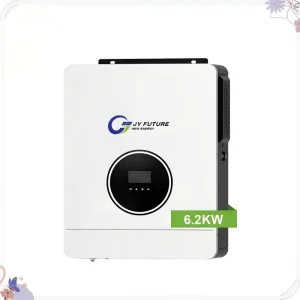
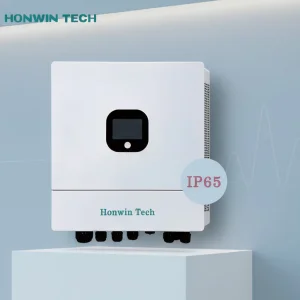
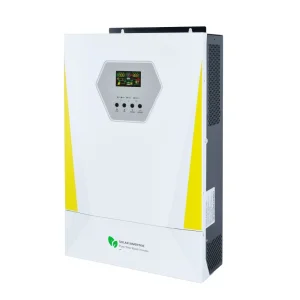
Flexible solar array generation requires ultra-stable power conditioning. By pairing flexible PV strings with HanFong’s industrial-grade MPPT (Maximum Power Point Tracking) hybrid inverters, systems achieve 99.9% tracking efficiency. Integrated wide DC input range (40V-450V) handles dynamic shadow fluctuations common on curved structures.
| Performance Parameter | HanFong Flexible Solar Modules | Standard Rigid Glass Panels | Amorphous Thin-Film Panels |
|---|---|---|---|
| Areal Weight (kg/m²) | 2.0 - 2.5 kg/m² | 16.0 - 22.0 kg/m² | 4.0 - 6.0 kg/m² |
| Cell Efficiency Range | 21.5% - 23.8% | 20.0% - 22.5% | 12.0% - 15.0% |
| Flexibility Radius | Up to 30 Degrees | Rigid (0 Degrees) | Up to 15 Degrees |
| Installation Method | Direct Structural Adhesive / Eyelets | Heavy Aluminum Racking & Ballast | Adhesive Tape / Frame Mount |
| Impact Strain Resistance | High (No Hail Shatter Risk) | Medium (Tempered Glass Breakage) | High (Low Efficiency Yield) |
Ideal for commercial facilities, distribution logistics hubs, and membrane-roofed warehouses where structural weight limits prohibit heavy glass solar arrays. Direct bonding simplifies installation, saving up to 40% on labor costs.
Engineered for yachts, commercial cargo vessels, and coastal off-grid platforms. Salt-mist resistant outer layers withstand harsh oceanic salt corrosion, supplying power to onboard electronics and battery banks seamlessly.
Aerodynamic, low-profile flex panels contour perfectly to RV, bus, and commercial fleet roofs. Eliminating heavy mounting rails minimizes wind drag, preserving fuel economy while continuously charging mobile storage units.
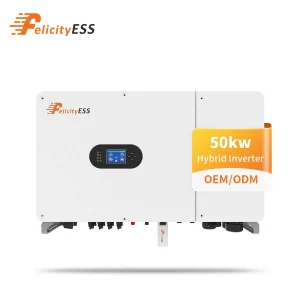
Combined with HanFong high-power 30kw-50kw three-phase or 1MW hybrid inverters, flexible arrays power mining camps, telecommunication towers, and agricultural pumping systems in remote locations globally.
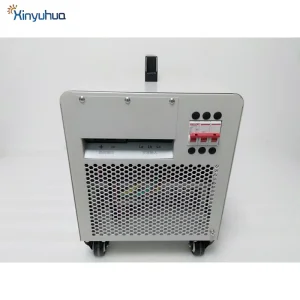
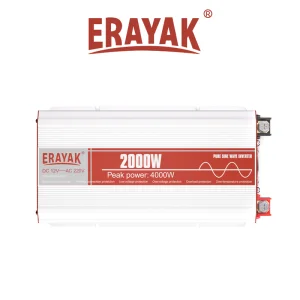
HanFong pure sine wave inverters feature low-loss toroidal transformers and high-frequency switching technology. Capable of converting variable DC outputs from flexible PV strings into stable AC power with zero harmonic distortion for sensitive industrial equipment.
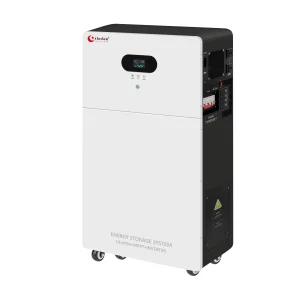
Integrating high-voltage lithium battery chargers and hybrid off-grid controllers ensures dynamic power routing. Systems dynamically switch between direct solar usage, battery charging, and grid tie-in during peak tariff windows.
Every flexible panel assembly and energy storage inverter undergoes rigorous burn-in tests, flash testing, and isolation resistance audits. Certified under European CE and RoHS benchmarks to ensure reliable operation in North America, Europe, Africa, and Asia.
Flexible solar panels weigh approximately 2.0 to 2.5 kg/m², which is up to 85% lighter than glass panel assemblies. Low-load commercial roofs—such as corrugated metal, TPO membranes, or older architectural structures—often cannot support traditional 20 kg/m² glass arrays. Flexible panels eliminate the need for roof reinforcement, penetration, or heavy ballast blocks.
Flexible panels are installed using specialized structural adhesives (such as structural silicone or high-tack polymer tapes) or via integrated stainless steel grommets/eyelets. This peel-and-stick or tie-down methodology drastically reduces installation time and eliminates structural roof penetration risks.
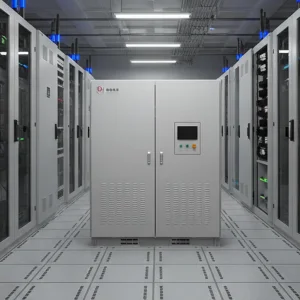
Yes. Guangzhou HanFong New Energy Technology Co., Ltd. operates a 5,000 square meter facility with over 150 skilled workers and an experienced R&D team. We specialize in custom OEM/ODM manufacturing of solar inverters, MPPT controllers, power supplies, and integrated energy storage cabinets tailored to client specification requirements across global markets.
Flexible solar arrays can experience dynamic shading or variable tilt angles. HanFong MPPT inverters continuously track the electrical maximum power point with greater than 99.9% efficiency over a wide voltage range (40V-450V DC), ensuring peak energy harvesting under diverse weather conditions.
Yes. Because flexible solar panels do not utilize a rigid glass front sheet, they possess high impact resilience. They do not shatter under hail impact or physical vibration, making them ideal for mobile applications, maritime environments, and extreme weather regions.
 Sriram Electricals